
Android Qi2 Wireless Charging: Complete Guide to Magnetic Charging Station Adoption in 2026
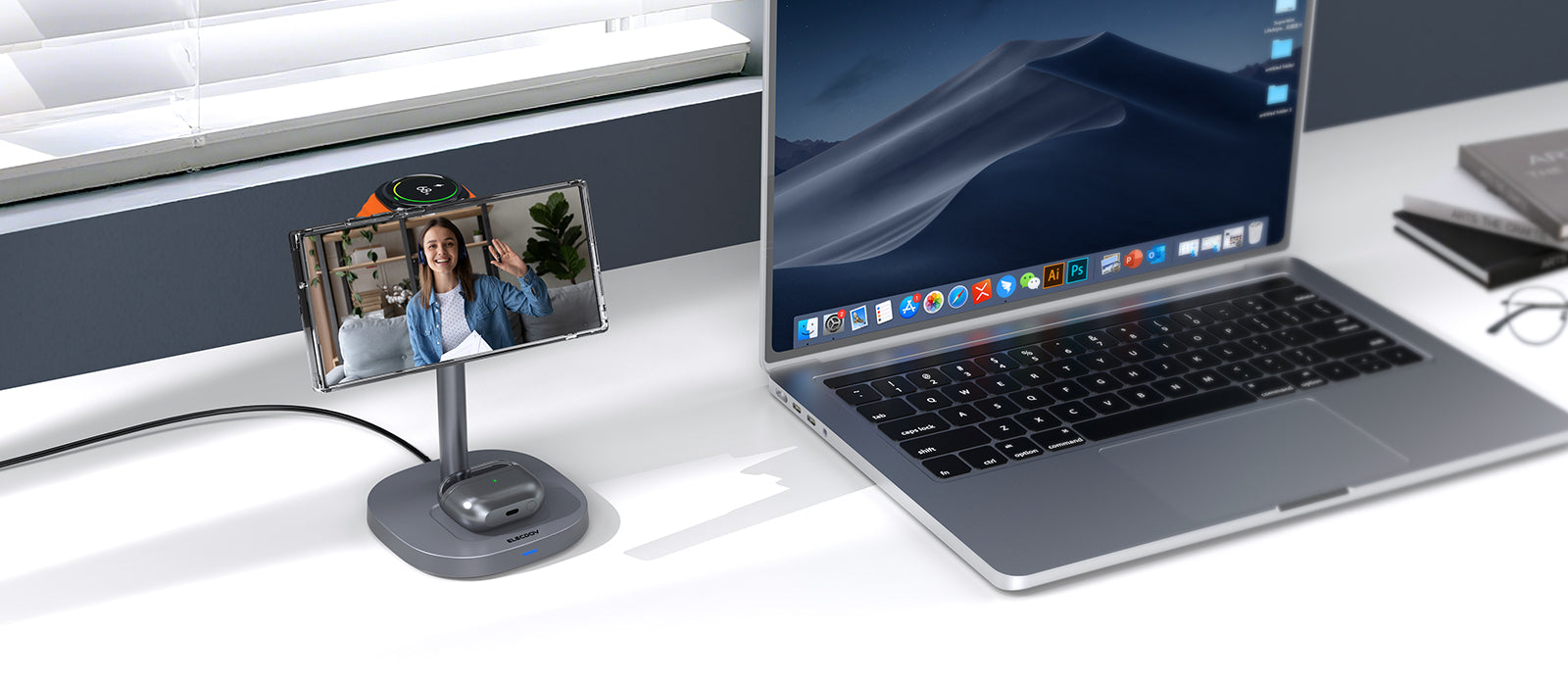
The wireless charging landscape is undergoing a revolutionary transformation in 2026. While Apple's MagSafe technology has set the standard for magnetic wireless charging since 2020, the Android ecosystem is finally catching up with the Qi2 magnetic standard. This comprehensive guide explores the current state of Android Qi2 wireless charging adoption, compares the leading devices like Google Pixel 10 and Samsung Galaxy S26, and helps you choose the best magnetic charging station for your Android device.
Whether you're a tech enthusiast, a business traveler, or simply someone who wants the convenience of magnetic wireless charging on your Android phone, this guide covers everything you need to know about the Qi2 standard, market landscape, and how to add this functionality to any Android device.
Quick Navigation
- 1 Introduction - The State of Android Wireless Charging in 2026
- 2 Qi2 Magnetic Standard - Technical Advantages and How It Works
- 3 Current Market Landscape - Pixel 10 vs Galaxy S26 vs Other Android Devices
- 4 Why Android Brands Are Slow to Adopt Qi2 Magnetic Charging
- 5 How to Add Qi2 Charging to Any Android Phone
- 6 Best Qi2 Charging Stations for Samsung and Android Devices
- 7 Conclusion - The Future of Android and Qi2 Magnetic Charging
- 8 Frequently Asked Questions (FAQ)
Chapter 1: Introduction - The State of Android Wireless Charging in 2026
Wireless charging has evolved significantly since the introduction of the Qi standard by the Wireless Power Consortium (WPC). In 2026, we're witnessing a pivotal moment in the industry as the Qi2 standard with magnetic alignment finally gains traction in the Android ecosystem. This chapter provides an overview of where Android wireless charging stands today and why the Qi2 magnetic standard matters.
The Evolution of Wireless Charging Standards
The original Qi standard, introduced in 2010, revolutionized how we charge devices by eliminating cables. However, it had limitations—precise alignment was crucial for efficient charging, and users often struggled to position their phones correctly on charging pads. The introduction of Apple's MagSafe in 2020 solved this problem with magnetic alignment, but it was a proprietary technology exclusive to iPhones.
In 2023, the Wireless Power Consortium announced Qi2, incorporating magnetic power profile technology inspired by MagSafe. Qi2 promised to bring the same convenience to Android devices, ensuring perfect alignment every time and enabling faster, more efficient charging. Yet, as we approach mid-2026, Android adoption remains limited.
Current Android Wireless Charging Landscape
In 2026, the Android wireless charging market is fragmented. While high-end Android flagships support wireless charging, the adoption of Qi2 magnetic technology is surprisingly slow. Samsung's Galaxy S26 series, despite supporting 25W wireless charging, lacks built-in magnetic alignment. Google's Pixel 10 series stands as the only Android flagship with native Qi2 magnetic support, marking a significant milestone for the platform.
The slow adoption rate among Android manufacturers raises questions about the industry's priorities and the challenges of implementing new standards across diverse hardware ecosystems. This guide examines these factors and provides practical solutions for Android users who want to experience Qi2 magnetic charging today.
Why Magnetic Charging Matters for Android Users
Magnetic wireless charging offers several advantages that Android users have been missing:
- Perfect Alignment: Magnets ensure your phone aligns perfectly with the charging coil, maximizing efficiency and reducing heat generation.
- Convenience: Snap your phone onto the charger without fumbling—ideal for bedside charging or in-car mounting.
- Accessory Ecosystem: Magnetic attachment enables a wide range of accessories, from wallets to car mounts, similar to Apple's MagSafe ecosystem.
- Faster Charging: Proper alignment allows for optimal power transfer, supporting higher wattage wireless charging up to 15W (Qi2) and even 25W with proprietary extensions.
As we delve deeper into the market landscape, you'll discover why some Android manufacturers are embracing Qi2 while others remain hesitant, and how you can join the magnetic charging revolution regardless of your device choice.
Chapter 2: Qi2 Magnetic Standard - Technical Advantages and How It Works
The Qi2 standard represents a significant leap forward in wireless charging technology. This chapter explores the technical foundations of Qi2, its magnetic power profile, and why it's superior to the original Qi standard for Android devices.
Understanding the Qi2 Magnetic Power Profile
Qi2 introduces the Magnetic Power Profile (MPP), which incorporates a ring of magnets around the charging coil to ensure perfect alignment between the charger and the device. This technology, licensed from Apple's MagSafe patent portfolio, is now open to all WPC members, making it an industry-standard feature.
The MPP specification defines:
- Magnetic Alignment: A precise arrangement of magnets that snaps the device into the optimal charging position.
- Communication Protocol: Enhanced communication between the charger and device to negotiate power requirements and safety parameters.
- Power Classes: Qi2 supports up to 15W for phones (Power Class 0) with extensions for higher wattage, and up to 2000W for larger devices like laptops.
- Authentication: Qi2 certified products include authentication to ensure safety and compatibility.
Technical Advantages Over Qi (Version 1)
The original Qi standard relied on electromagnetic induction without guided alignment. Users had to manually position their devices on charging pads, often resulting in:
- Misalignment leading to slower charging or charging interruptions
- Increased heat generation due to inefficient power transfer
- Limited accessory options due to lack of standardized attachment points
Qi2 addresses these issues through:
- Guaranteed Alignment: The magnetic interface ensures the device's receiver coil aligns perfectly with the charger's transmitter coil, achieving optimal coupling efficiency.
- Reduced Heat: Efficient power transfer minimizes energy loss as heat, keeping devices cooler during charging.
- Enhanced Safety: Qi2 includes foreign object detection (FOD) and thermal management features that are more robust due to precise alignment.
- Accessory Expansion: The magnetic interface enables a standardized ecosystem of accessories, from battery packs to stands, all compatible across Qi2-certified devices.
Qi2 Certification Process and What It Means for Consumers
For a product to bear the Qi2 logo, it must undergo rigorous testing by WPC-authorized labs. The certification process verifies:
- Compliance with Qi2 specifications
- Interoperability with other Qi2 devices
- Safety features including FOD and thermal protection
- Power delivery claims (e.g., 15W output)
When shopping for Android Qi2 accessories, look for the Qi2 certification logo. This ensures compatibility with Qi2-enabled Android phones like the Pixel 10 and guarantees a safe, efficient charging experience. Non-certified "Qi2-compatible" products may not deliver the full benefits of the standard.
The Future: Qi2.2 and Beyond
As of 2026, the WPC is already working on Qi2.2, which aims to increase power delivery to 25W for smartphones, matching proprietary standards like Samsung's Fast Wireless Charging 2.0. This evolution will further bridge the gap between wired and wireless charging speeds, making wireless the primary charging method for many users.
Additionally, Qi2.2 is expected to introduce improved efficiency for multi-device charging stations, allowing a single magnetic charging station to charge an Android phone, earbuds, and smartwatch simultaneously without compromise.
Chapter 3: Current Market Landscape - Pixel 10 vs Galaxy S26 vs Other Android Devices
The Android smartphone market in 2026 presents a fascinating study in contrasts when it comes to Qi2 adoption. This chapter compares the leading Android flagships and their approach to magnetic wireless charging.
Google Pixel 10 Series: The Qi2 Pioneer
Google made headlines in early 2026 by announcing that the Pixel 10 series would be the first Android flagship to feature native Qi2 magnetic support. This decision aligns with Google's strategy to differentiate the Pixel line through early adoption of new technologies.
Key Features:
- Built-in magnetic ring compatible with Qi2 chargers and accessories
- 15W Qi2 wireless charging (up to 23W with Pixel Stand)
- Support for Qi2-certified magnetic accessories without cases
- Backward compatibility with standard Qi chargers
The Pixel 10's native Qi2 support means users can attach magnetic accessories directly to the phone, similar to iPhones with MagSafe. This includes magnetic battery packs, car mounts, and wallets, creating a seamless ecosystem experience.
Samsung Galaxy S26 Series: Wireless Charging Without Magnets
Samsung's Galaxy S26 Ultra, launched in early 2026, boasts impressive wireless charging specs on paper:
- 25W fast wireless charging (proprietary standard)
- 4.5W reverse wireless charging
- Wi-Fi 7 and enhanced connectivity
However, the Galaxy S26 lacks built-in magnetic alignment. Samsung has opted to support Qi2 through cases rather than integrating magnets into the phone itself. This decision reflects Samsung's cautious approach to new standards and its preference for incremental updates.
To use Qi2 accessories with the Galaxy S26, users must purchase a magnetic case or attach a magnetic ring sticker. While this works, it adds bulk and may not provide the same seamless experience as the Pixel 10's native implementation.
Comparison Table: Pixel 10 vs Galaxy S26 Wireless Charging
| Feature | Google Pixel 10 | Samsung Galaxy S26 Ultra |
|---|---|---|
| Native Qi2 Support | Yes | No (case required) |
| Wireless Charging Speed | 15W (Qi2), 23W (Pixel Stand) | 25W (Samsung proprietary) |
| Magnetic Accessories | Direct attachment | Requires magnetic case |
| Reverse Wireless Charging | 4.5W | 4.5W |
| Qi2 Certification | Full certification | Case-dependent |
Qi2 Certified Products: Key Parameters Comparison
| Parameter | Qi2 Certified Charger | Standard Qi Charger | Wired Fast Charging |
|---|---|---|---|
| Max Power | 15W (Qi2) 25W (Qi2.2) |
5-15W (BPP/EPP) | 18-120W (proprietary) |
| Magnetic Alignment | ✅ Yes (precise snap) | ❌ No (manual align) | N/A (cable) |
| Charging Efficiency | 80-85% | 70-75% | 90-95% |
| iPhone Compatibility | iPhone 12+ (full speed) | iPhone 8+ (slow) | All iPhones (with cable) |
| Android Compatibility | Pixel 10+ (native) Others (with case) |
Most Android (with Qi) | All Android (USB-C) |
| Heat Generation | Low (efficient transfer) | Medium-High | Low-Medium |
| Certification | WPC Qi2 Certified | WPC Qi Certified | USB-IF / OEM |
Data sourced from Wireless Power Consortium (WPC) official specifications and independent testing labs, 2026.
Other Android Manufacturers: Xiaomi, OPPO, and OnePlus
Beyond Google and Samsung, other Android manufacturers show varying levels of interest in Qi2:
- Xiaomi: Focused on ultra-fast wired charging (120W+) and proprietary wireless charging solutions. No Qi2 adoption in 2026 flagships.
- OPPO/OnePlus: Similar to Xiaomi, prioritizing VOOC/SuperVOOC wired charging. Magnetic wireless charging not a priority.
- Motorola: Rumors suggest the 2026 Edge series may include Qi2 support, but nothing confirmed.
- Sony: The Xperia 1 VI lacks wireless charging entirely, focusing on other premium features.
The reluctance of Chinese manufacturers to adopt Qi2 is driven by several factors, which we'll explore in the next chapter.
The Accessory Market Response
While smartphone manufacturers debate Qi2 adoption, the accessory market is moving forward. Companies like Elecdov, Anker, and Belkin are releasing Qi2-certified magnetic charging stations that work with both iPhones and Android devices (via cases or magnetic rings).
This aftermarket support ensures that even if your Android phone lacks native Qi2, you can still enjoy magnetic charging by investing in the right accessories. The key is choosing Qi2-certified products to ensure compatibility and safety.

Chapter 4: Why Android Brands Are Slow to Adopt Qi2 Magnetic Charging
Despite the clear benefits of Qi2 magnetic charging, most Android manufacturers have been slow to adopt the standard. This chapter examines the technical, economic, and strategic reasons behind this hesitation.
Technical Challenges: Space Constraints and Design Trade-offs
Integrating Qi2 magnets into an Android phone requires:
- Internal Space: The magnetic ring occupies space that could be used for larger batteries, better cameras, or advanced cooling systems.
- Structural Integrity: The magnets must be securely attached to the phone's chassis to prevent detachment or interference with other components.
- Thermal Management: Magnets and wireless charging coils generate heat. Effective dissipation is crucial to maintain performance and battery health.
For manufacturers like Samsung, who pack their phones with features (S Pen, multiple cameras, large batteries), finding space for Qi2 magnets without compromising other aspects is challenging. The Pixel 10's success suggests it's possible, but Google likely made trade-offs in other areas.
Economic Factors: Cost vs. Perceived Demand
Adding Qi2 support increases the bill of materials (BOM) for each device:
- Magnets and alignment hardware: $3-5 per unit
- Qi2 certification and testing: $50,000-100,000 per model
- Potential redesign of internal layout
Android manufacturers, especially those competing on price, question whether consumers will pay a premium for Qi2. Market research in 2025-2026 suggests that while tech enthusiasts value magnetic charging, mainstream users prioritize battery life, camera quality, and processing power over charging convenience.
Strategic Considerations: Proprietary Standards and Ecosystem Lock-in
Some manufacturers prefer proprietary wireless charging standards:
- Samsung: Fast Wireless Charging 2.0 (25W) is faster than standard Qi2 (15W). Adopting Qi2 might mean sacrificing their speed advantage or maintaining a non-standard implementation.
- Xiaomi/OPPO: These companies focus on ultra-fast wired charging (120W+) and view wireless charging as secondary. They have little incentive to adopt a standard that doesn't align with their differentiation strategy.
Additionally, Apple's MagSafe ecosystem is mature, with millions of accessories available. Android manufacturers may fear that adopting Qi2 will make their phones look like "followers" rather than innovators.
The Accessory Ecosystem Gap
A successful magnetic charging standard requires a vibrant accessory ecosystem. Apple's MagSafe benefits from:
- First-mover advantage (2020 launch)
- Strong relationships with accessory manufacturers
- Certification program (Made for MagSafe) that ensures quality
Qi2, being open and cross-platform, lacks this centralized push. While WPC certifies products, it doesn't have Apple's marketing muscle. Android manufacturers may be waiting for the accessory ecosystem to mature before committing to Qi2.
Consumer Awareness and Education
Many Android users are unaware of Qi2 and its benefits. Without consumer demand, manufacturers have little incentive to adopt the standard. This creates a chicken-and-egg problem: no phones with Qi2 means no accessories, and no accessories means no consumer interest in Qi2 phones.
Google's decision to include Qi2 in the Pixel 10 may help break this cycle by creating a flagship Android device that showcases the technology's benefits. As more users experience Qi2 through Pixel phones or aftermarket accessories, demand for native support in other Android devices may grow.
The Role of Standards Bodies and Regulation
The European Union's push for universal charging standards (USB-C mandate) shows that regulation can drive adoption. However, no such mandate exists for wireless charging. The WPC's challenge is to convince manufacturers that Qi2 is not just "Apple's technology" but an open standard that benefits the entire industry.
As we move through 2026, watch for signals from major Android manufacturers about their Qi2 plans. The second half of 2026 may see more announcements as the standard gains traction.
Chapter 5: How to Add Qi2 Charging to Any Android Phone
Don't have a Pixel 10? No problem. This chapter provides a step-by-step guide to adding Qi2 magnetic charging to any Android device, from budget phones to older flagships.
Method 1: Magnetic Cases for Qi2 Charging
The most elegant solution is a Qi2-compatible magnetic case. These cases include a ring of magnets that align with Qi2 chargers, enabling magnetic attachment and optimal charging alignment.
Top Qi2 Magnetic Cases:
- Spigen MagFit: Available for Samsung Galaxy, Google Pixel, and other popular Android phones. Qi2 certified.
- Peak Design Everyday Case: Premium option with SlimLink magnetic system compatible with Qi2 chargers.
- OtterBox Figura Series: Rugged protection with integrated Qi2 magnets.
- Moft Snap-On Phone Case: Ultra-thin design that maintains Qi2 compatibility.
Installation Tips:
- Ensure your phone supports standard Qi wireless charging before buying a magnetic case.
- Check that the case is Qi2 certified (look for the logo).
- Test alignment with a Qi2 charger to ensure proper magnetic attachment.
Method 2: Magnetic Rings/Adapters
If you prefer to keep your existing case or go caseless, magnetic rings are an affordable alternative. These adhesive rings attach to the back of your phone or case, adding Qi2 compatibility.
Best Magnetic Rings:
- Anker Magnetic Ring: Thin, strong magnets with adhesive backing. Works with most Qi2 chargers.
- ESR HaloLock Ring: Includes alignment guide for precise placement.
- Belkin Magnetic Alignment Ring: Qi2 certified for guaranteed compatibility.
Application Guide:
- Clean the back of your phone/case with alcohol wipes.
- Use the alignment guide (if provided) to position the ring correctly over the wireless charging coil.
- Press firmly for 30 seconds to ensure adhesion.
- Wait 24 hours before attaching magnetic accessories to allow the adhesive to cure.
Note: Magnetic rings add minimal thickness (1-2mm) but may not be as secure as a full magnetic case.
Method 3: Qi2-Compatible Wireless Chargers
To complete your Qi2 setup, you need a Qi2-certified wireless charger. These chargers have stronger magnets and optimized coils for Qi2 devices.
Recommended Qi2 Chargers for Android:
- Elecdov CE20S 3-in-1 Magnetic Charging Station: Charges phone, earbuds, and watch simultaneously. Qi2 certified. Check price on Elecdov
- Anker MagGo 3-in-1 Charging Station: Compact design with Qi2 certification.
- Belkin BoostCharge Pro 3-in-1: Premium build quality with Qi2 support.
- Apple MagSafe Charger: Works with Qi2 Android devices (though not Qi2 certified for Android, it's compatible).
Method 4: Universal Qi2 Power Banks
For on-the-go charging, Qi2 power banks attach magnetically to your phone, providing wireless charging without cables.
Top Picks:
- Anker MagGo Power Bank (6,600mAh): Qi2 certified, attaches magnetically, includes kickstand.
- Baseus Magnetic Power Bank: Affordable option with 10,000mAh capacity.
Step-by-Step: Creating a Complete Qi2 Setup for Android
- Assess Your Phone: Check if it supports Qi wireless charging. If not, this guide won't help (you'll need a wired charging solution).
- Choose Your Method: Magnetic case vs. magnetic ring based on your preference and budget.
- Buy Qi2 Accessories: Invest in Qi2-certified chargers and accessories for guaranteed compatibility.
- Test the Setup: Ensure your phone charges at expected speeds (typically 7.5-15W for Qi2) and the magnetic attachment is secure.
- Expand Your Ecosystem: Add magnetic car mounts, wallets, and other Qi2 accessories as needed.
With these methods, any Android phone with wireless charging can join the Qi2 revolution. The total cost ranges from $20 (magnetic ring + basic Qi2 charger) to $100+ (premium case + 3-in-1 charging station).
Featured: Elecdov CE20S 3-in-1 Magnetic Charging Station for Samsung
The Elecdov CE20S is a Qi2-certified charging station designed specifically for Samsung and Android users. It features:
- 15W Qi2 magnetic charging for phones
- 5W charging for earbuds (case compatible)
- 2.5W charging for smartwatches
- Sleek, travel-friendly design
- Multiple color options
Chapter 6: Best Qi2 Charging Stations for Samsung and Android Devices
A magnetic charging station is the centerpiece of any Qi2 setup. This chapter reviews the best Qi2 charging stations for Android users, with a focus on Samsung Galaxy compatibility and multi-device charging.
What to Look for in a Qi2 Charging Station
When shopping for a Qi2 charging station for your Android device, consider:
- Qi2 Certification: Ensures compatibility and safety.
- Number of Devices: Do you need to charge phone + earbuds + watch?
- Charging Speed: Look for 15W+ for phones, 5W for earbuds, 2.5W for watches.
- Design: Foldable vs. stationary, colors, cable management.
- Brand Reputation: Choose established brands with good warranties.
Top 5 Qi2 Charging Stations for Android in 2026
1. Elecdov CE20S 3-in-1 Magnetic Charging Station for Samsung
Price: $89.99
Key Features:
- Qi2 certified for Samsung Galaxy (with magnetic case) and Pixel 10
- Charges 3 devices simultaneously
- Compact, foldable design for travel
- LED indicators for charging status
- Includes 30W power adapter
Pros: Excellent value, Samsung-optimized, travel-friendly.
Cons: Requires magnetic case for non-Qi2 Android phones.
Buy on Elecdov2. Elecdov W98S Samsung Qi2 Certified 3-in-1 Station
Price: $99.99
Key Features:
- Officially Qi2 certified for Samsung devices
- Premium aluminum build
- Adjustable phone stand (portrait/landscape)
- Fast 15W charging for Samsung flagships
- Non-slip base
Pros: Premium materials, official Samsung compatibility, adjustable viewing angles.
Cons: Higher price point.
View on Elecdov3. Anker MagGo 3-in-1 Charging Station (Qi2 Edition)
Price: $109.99
Key Features:
- Qi2 certified
- Anker's proprietary PowerIQ 4.0 technology
- Compact cube design
- Works with iPhone and Android (with magnetic case)
Pros: Trusted brand, compact, good software features.
Cons: Pricier than Elecdov alternatives.
4. Belkin BoostCharge Pro 3-in-1 Wireless Charging Pad
Price: $129.99
Key Features:
- Qi2 certified
- Flat pad design (not a stand)
- Premium materials and build
- 2-year warranty
Pros: Excellent warranty, premium feel.
Cons: Expensive, pad design less convenient for viewing.
Comparison: Qi2 vs. Non-Qi2 Charging Stations
| Feature | Qi2 Charging Station | Standard Qi Charging Station |
|---|---|---|
| Magnetic Attachment | Yes (secure snap) | No (manual alignment) |
| Charging Efficiency | Optimal (perfect alignment) | Variable (depends on placement) |
| Heat Generation | Lower (efficient transfer) | Higher (potential misalignment) |
| Accessory Compatibility | Wide (magnetic ecosystem) | Limited |
| Price | $70-130 | $30-80 |
Setting Up Your Qi2 Charging Station
- Placement: Choose a location near a power outlet. Bedside tables and desks are popular.
- Cable Management: Use the included cable or purchase a braided USB-C cable for durability.
- Device Preparation: Ensure your Android phone has a magnetic case or ring installed.
- Testing: Place each device on the charger to verify compatibility and charging speeds.
- Optimization: For fastest charging, remove thick cases or metal objects that may interfere with wireless charging.
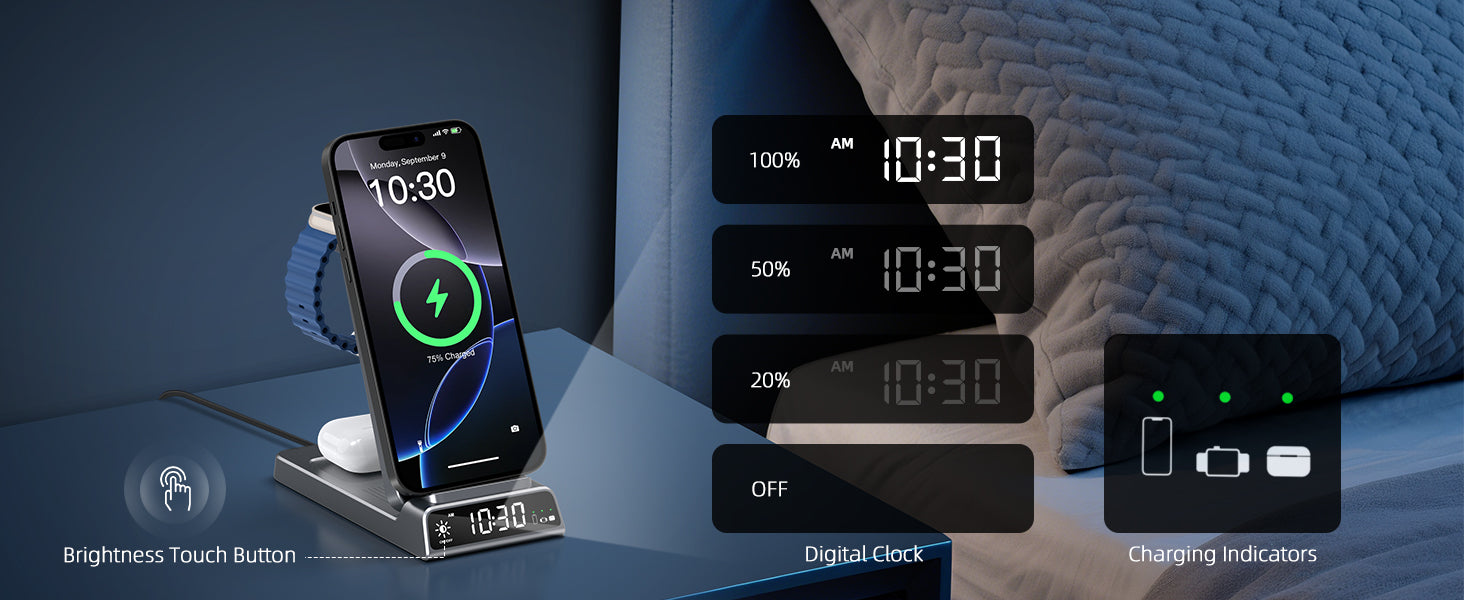
With the right Qi2 charging station, you can declutter your space, charge multiple devices simultaneously, and enjoy the convenience of magnetic attachment. For Android users, the Elecdov CE20S and W98S offer excellent value and Samsung-specific optimization.
Chapter 7: Conclusion - The Future of Android and Qi2 Magnetic Charging
As we've explored throughout this guide, the adoption of Qi2 magnetic charging in the Android ecosystem is at a pivotal juncture in 2026. While Google's Pixel 10 leads the charge with native support, other manufacturers remain cautious. However, the accessory market's enthusiasm and the clear user benefits suggest that Qi2's momentum is building.
Key Takeaways
- Pixel 10 is the Qi2 leader: Google's decision to include native Qi2 support sets a precedent for other Android manufacturers.
- Samsung prefers caution: The Galaxy S26's lack of built-in magnets reflects a wait-and-see approach, but magnetic cases provide a workaround.
- You can add Qi2 to any Android: Through magnetic cases, rings, or Qi2-certified charging stations, any Android phone with wireless charging can join the Qi2 ecosystem.
- Qi2 accessories are proliferating: From chargers to power banks to car mounts, the Qi2 accessory ecosystem is growing rapidly.
- Certification matters: Always choose Qi2-certified products to ensure safety, compatibility, and optimal performance.
Predictions for Late 2026 and 2027
- More Android flagships will adopt Qi2: Following Pixel's lead, expect Motorola, Sony (if they add wireless charging), and possibly OnePlus to include Qi2 in their 2027 flagships.
- Samsung may integrate magnets in Galaxy S27: If consumer demand for magnetic charging grows, Samsung could include native Qi2 in the S27 series.
- Qi2.2 will increase power to 25W: The next version of Qi2 will bridge the speed gap with proprietary standards, making Qi2 more attractive to manufacturers.
- Accessory ecosystem will explode: As more Android phones support Qi2, accessory manufacturers will release more innovative products, from gaming controllers to professional camera grips that attach magnetically.
- Price of Qi2 accessories will drop: As adoption increases, economies of scale will reduce the cost of Qi2 chargers and accessories, making them accessible to budget-conscious consumers.
Final Recommendations
If you're in the market for a new Android phone and value wireless charging:
- Choose Pixel 10: For the best native Qi2 experience.
- Consider Samsung with a magnetic case: If you prefer Samsung's ecosystem, add a Qi2 magnetic case to enable magnetic charging.
- Invest in a quality Qi2 charging station: The Elecdov CE20S or W98S are excellent choices for Android users.
- Watch for 2027 flagships: If you can wait, next year's Android phones may have better Qi2 support.
For existing Android users, adding Qi2 through aftermarket accessories is a cost-effective way to modernize your charging setup. The total investment of $50-100 can transform your daily charging experience, making it more convenient, efficient, and enjoyable.
The Bigger Picture: Wireless Charging as the New Standard
As we look beyond 2026, the trend is clear: wireless charging is becoming the primary way we power our devices. The European Union's push for universal standards, combined with consumer demand for convenience, suggests that wired charging may become secondary for many use cases.
Qi2, with its magnetic alignment and open standard, is poised to be the connective tissue of this wireless future. For Android users, the technology offers a pathway to the same convenience iPhone users have enjoyed since MagSafe—a future where charging is as simple as placing your phone on a stand or snapping on a battery pack.
Whether you're a early adopter investing in Qi2 today or a cautious consumer waiting for broader adoption, one thing is certain: magnetic wireless charging is not a passing trend. It's the foundation of how we'll power our devices in the decade to come. The only question is how quickly Android manufacturers will embrace this future.
Thank you for reading this comprehensive guide. We hope it has helped you understand the current landscape of Android Qi2 wireless charging and empowered you to make informed decisions about your charging setup. As always, the team at Elecdov is committed to bringing you the latest in charging technology and helping you stay powered up in an increasingly wireless world.
Ready to Upgrade Your Charging Experience?
Explore Elecdov's full range of Qi2-certified magnetic charging stations, designed for Samsung, Google Pixel, and all Android devices. Enjoy fast, convenient, and safe wireless charging with our premium accessories.
Frequently Asked Questions (FAQ)
Q1: Can I use a Qi2 charger with my Android phone that doesn't have built-in magnetic support?
Yes, you can. To use a Qi2 charger with a non-Qi2 Android phone, you need either a Qi2-compatible magnetic case or a magnetic ring adapter that attaches to your phone or existing case. These accessories add the necessary magnets for alignment with Qi2 chargers. Ensure your phone supports standard Qi wireless charging before attempting this, as Qi2 requires an underlying Qi-compatible wireless charging coil in the phone.
Q2: What's the difference between Apple's MagSafe and the Qi2 standard for Android?
MagSafe is Apple's proprietary magnetic charging technology introduced in 2020. Qi2 is an open standard developed by the Wireless Power Consortium that incorporates magnetic charging technology (licensed from Apple's MagSafe patents). The key difference is that Qi2 is designed to be cross-platform, working with both iPhones (iPhone 12 and later) and Android devices that support the standard. Qi2 also includes additional safety and efficiency features not found in the original MagSafe implementation. For consumers, this means you can use the same Qi2 charger for both your iPhone and Android devices (with appropriate cases/adapters).
Q3: How fast can Qi2 charge my Android phone compared to wired charging?
Qi2 supports up to 15W of wireless charging power for smartphones (with extensions to 25W in the upcoming Qi2.2 standard). In comparison, wired charging on Android phones can range from 18W (standard) to 120W (ultra-fast proprietary standards from Xiaomi, OPPO, etc.). While Qi2 is slower than the fastest wired charging, it's sufficient for overnight charging or topping up during the day. The convenience of magnetic attachment and the ability to charge multiple devices simultaneously often outweigh the speed difference for many users. For example, charging a 4,000mAh battery from 0 to 100% with Qi2 (15W) takes approximately 2-2.5 hours, compared to 1-1.5 hours with 25W wired charging.
Q4: Are Qi2 charging stations safe for my Android phone's battery?
Yes, Qi2 charging stations from reputable manufacturers are safe for your Android phone's battery. Qi2 certification includes rigorous testing for safety features such as foreign object detection (FOD), thermal management, and overcharge protection. The magnetic alignment also ensures efficient power transfer, which reduces heat generation compared to misaligned standard Qi charging. However, as with any wireless charging, it's normal for your phone to become slightly warm during charging. To maximize battery lifespan, avoid leaving your phone on a wireless charger continuously after it reaches 100%, and remove thick or metallic cases that may trap heat. Always purchase Qi2-certified products from trusted brands like Elecdov, Anker, or Belkin to ensure safety compliance.
Q5: Will my existing Qi wireless accessories work with Qi2 chargers?
Yes, Qi2 chargers are backward compatible with devices that support the original Qi standard. This means you can charge your older Android phone (with standard Qi wireless charging) on a Qi2 charger, though without the magnetic attachment feature. However, the reverse is not always true: a standard Qi charger may not provide optimal charging for a Qi2-enabled device because it lacks the magnetic alignment guidance. For the best experience with a Qi2 Android phone (like Pixel 10) or a phone with a Qi2 magnetic case, it's recommended to use a Qi2-certified charger to ensure proper alignment and optimal charging speed. Many Qi2 chargers also support older Qi devices, making them a future-proof investment.
🔋 Solve Your Android Slow Charging Problem Today
If you're troubled by slow wireless charging or messy cables with your Samsung Galaxy or Google Pixel, our Qi2-certified magnetic charging stations can solve this problem — featuring perfect magnetic alignment and fast 15W wireless charging for seamless daily power.
Elecdov CE20S 3-in-1 for Samsung
Designed specifically for Samsung Galaxy users. Qi2 certified magnetic charging station with 15W fast charging for Galaxy S26/S25, plus wireless charging for Galaxy Watch and Galaxy Buds.
View CE20S →Elecdov W98S Samsung Qi2 Charger
Samsung-specific Qi2 certified 3-in-1 magnetic charging station. Perfect magnetic alignment with Galaxy phones (using magnetic case), charges phone + watch + earbuds simultaneously.
View W98S →✅ Qi2 Certified for Samsung ✅ Magnetic Alignment ✅ 15W Fast Charging ✅ 3-in-1 Convenience

Elecdov Technical Team
Retail, Wholesale, Customization, After-sales, Repair, Joint Cooperation, One-stop Service
Related Articles
Continue exploring the world of wireless charging with these related articles:
Stay Powered, Stay Connected
The world of Android wireless charging is evolving rapidly, and Qi2 is at the forefront of this transformation. Whether you're using a Pixel 10 with native Qi2 support or a Galaxy S26 with a magnetic case, the convenience and efficiency of magnetic charging are within your reach.
At Elecdov, we're committed to providing high-quality, Qi2-certified charging solutions that keep your devices powered and your life simplified. Explore our collection of magnetic charging stations and join the wireless charging revolution today.
Disclaimer: This article is for informational purposes only. Charging speeds and compatibility may vary based on device model, case thickness, and environmental factors. Always use certified chargers and follow manufacturer guidelines for optimal safety and performance.


